
For decades, Pune’s residential growth followed this kind of , predictable path—like standalone buildings just sprouting along arterial roads, and then residents commuting long distances for work , school , and shopping. But that setup is changing really fast. Across both the city’s western and eastern stretches, a different blueprint is taking shape , the self sustained urban neighbourhood.
The Shift from Isolation to Integration
Now Pune’s housing scene is moving away from scattered developments toward something that feels more cohesive, like integrated communities. Developers are starting to stitch together land parcels into neighbourhoods that function as their own little world , instead of only putting up isolated buildings. And this isn’t just a design whim , it shows a real shift in what people consider “a proper home.”
What buyers want today is clearer, and honestly they’re far less patient about gaps in the surroundings. They don’t only want apartments; they’re looking for a full environment where residents can live, shop, unwind, and quite often even work within the same, larger development. The older idea of choosing a home purely based on location alone is just not enough anymore.
The Commute Fatigue Factor
Anyone living in Pune probably gets it, traffic congestion isn’t some abstract idea, it’s real and it happens every day. Those long commutes are no longer just annoying—they can mess with work-life balance, mental well-being, and the overall day to day quality of life. Because of this, a bit of a conscious change has started showing up among people looking for homes, like: “A smarter home closer to daily life beats a bigger home farther away” .
In Pune real estate, what counts as “luxury” is also moving, not loudly but steadily. Being around 15 minutes away from everything now feels more important than owning an extra room that maybe never gets used. It’s this kind of quiet transformation that’s nudging buyer choices across the city. A home where your office, school, hospital, supermarket, and the little daily necessities are all within a 15-minute range—by walking, cycling, or just a quick drive—has turned into the new reference point, kind of the benchmark people compare against.
The Rise of Integrated Townships
Pune ’s western growth corridor sort of exemplifies this wider shift. In Mahalunge, educational institutions, healthcare facilities, and retail development have already trailed residential growth, so you get a more or less self sustaining neighbourhood ecosystem. Also, being near the upcoming Pune Inner Ring Road is expected to make things even better on the connectivity front, because it should link the outer residential pockets with employment nodes, while easing some of the stress on the city’s already congested core.
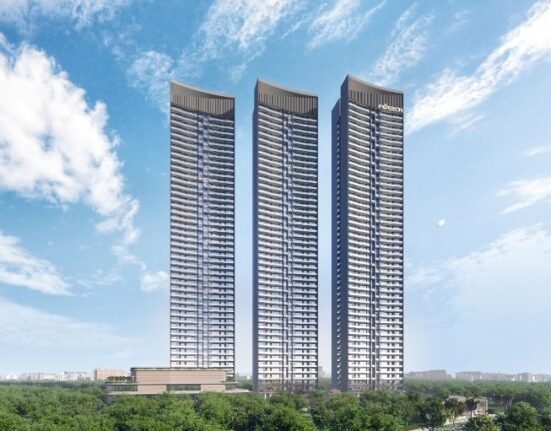
Corridors like Baner-Mahalunge and Balewadi-High Street are now kinda leading the charge. They bring together road access , job proximity, and enough space for large scale development. In that kind of context township formats can spread amenities around, build internal roads, and enable mixed use planning without the usual overcrowded feel. Developers are rolling out projects that look less like a set of detached towers and more like, well, a self contained local community.
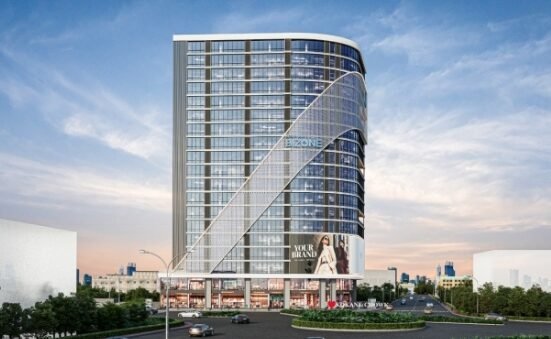
Likewise, Kharadi has shifted into a significant employment and housing hub, mainly because of IT parks, better road connectivity , and the airport being close enough. The Riverdale micro township, which stretches across multiple residential clusters along with commercial components, also mirrors this same direction in a very tangible way.
Sustainability and Community Living
Integrated townships tackle one of today’s most pressing issue s: sustainable living. As pollution keeps climbing across major cities, these projects weave in wide green belts, thicker tree cover , and streamlined waste handling systems. They also bring in solar power, rainwater collection, plus energy-smart building layouts, which together add up to a solid sustainability quotient in practice.
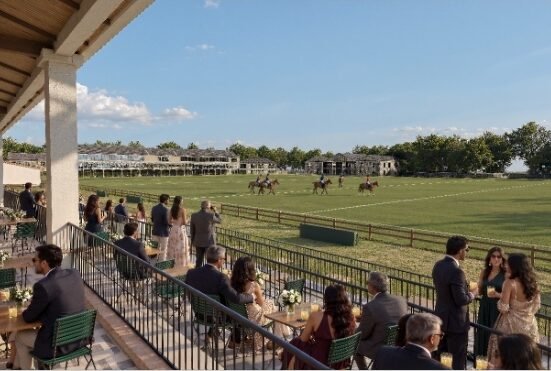
But it is not only about the environment, these neighbourhoods also build a certain kind of togetherness. Contemporary clubhouses, wellness centers, and clearly marked recreation areas give residents a daily rhythm that reaches past the home. With pedestrian-friendly layouts, dedicated sport facilities, and thoughtfully placed green nooks, people end up moving more, meeting more, living more social , even when they are just walking through the place.
A Structural Shift, Not a Passing Trend
Honestly this isn’t just some quick phase, it’s more like a structural shift in Pune’s residential market behavior . You know, as land options thin out in prime city pockets , these big integrated townships are starting to look like the go-to choice for developers who want scale, and buyers who want something steadier.
In fact the Pimpri Chinchwad Municipal Corporation has pushed the idea even further, with the launch of what it calls India’s first pilot project, built around the ‘15-Minute City’ concept in Nigdi Pradhikaran. The plan is pretty simple, citizens should be able to do their day to day essentials without going too far, like schools, markets, parks, clinics and transport hubs. And yes, all of that ideally within about 15 minutes on foot or by bicycle.
The Road Ahead
The market is sending a sort of strong message: people aren’t only buying walls, and windows anymore. They’re putting money into access, comfort, and this well organised urban way of living, like yes, it matters. For homebuyers and investors hunting for value appreciation, convenience , and a future ready lifestyle, self sustained neighbourhoods feel like the next chapter in Pune’s urban evolution, kinda quietly, but still very real.
So the real question has changed. It’s no longer whether this model will define Pune’s future, because it already seems to. The actual challenge now is how well these kinds of developments mesh with public infrastructure, walkable pedestrian networks, and shared civic amenities… so that what you get is a more connected, climate-resilient and inclusive city landscape. Only then will Pune’s self-sustained neighbourhoods actually deliver on the promise, and become a new blueprint for urban living.