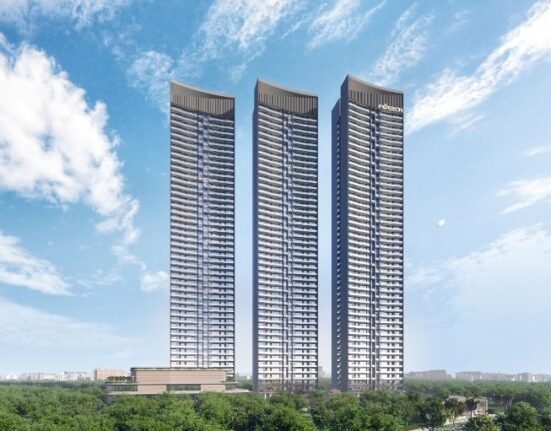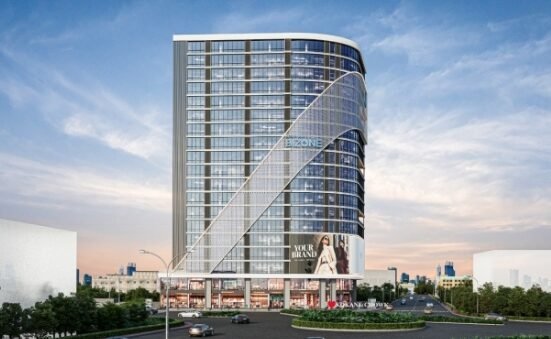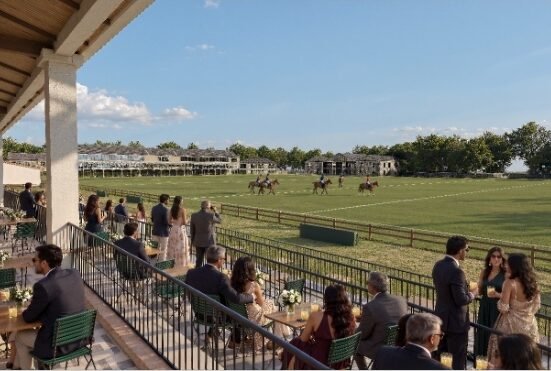

India’s urban landscape is experiencing a major paradigm shift with the integrated township model emerging as the preferred growth alternative for the country. A definitive break from scattered residential towers and isolated commercial structures, the concept aims to create mini cities with residential units, workplaces, educational institutes, healthcare centres, retail hubs, entertainment zones, all under one umbrella. This is necessitated by the fundamental problems posed by runaway urbanisation – traffic snarls, failing civic amenities, and the need for an improved quality of life.
This surge in popularity for integrated townships is driven by a radical shift in how home buyers perceive their dream home, a trend that was significantly boosted by the pandemic. With remote and hybrid working becoming the norm, it has become extremely important for a home buyer to be at the very epicentre of everything, where the workplace, the relaxation zones, and all other necessary aspects of life are just a stone’s throw away. A flat simply no longer appeals to a potential home buyer, they want a whole way of life.
In turn, more and more families are looking to find a place to stay which offers them security, green spaces and a strong community vibe thereby minimising their travel and commute and improving their work life balance. The evidence speaks for itself – apartments within integrated townships generally fetch about 15% to 20% premium compared to similar standalone projects which have always focused solely on the residential units. They are extremely attractive for investors who look for steady rental yields and a constant demand when the time comes to sell.
Central and state governments are doing all they can to pave the way for this model to thrive. Realising the importance of planned development and urbanisation, a number of states have rolled out policies to encourage mass development of integrated townships. Madhya Pradesh had come up with an Integrated Township Policy in 2025, where 10% of the area was reserved for open spaces/parks. Gujarat is already planning a new township policy with easier FSI norms and tax incentives, and in Maharashtra, under the ‘iconic cities policy,’ stamp duty would be fully reimbursed in the MMR region.
In fact, the new urban centers would be livable and sustainable in the true sense, enabling big real estate companies to take heavy bets on these models. These are not only being developed in tier 1 cities, but even in tier 2 and 3 cities like Panipat and Coimbatore where the land cost is affordable and there is ample potential to expand. The townships are no longer only offering conveniences, they are now focusing on sustainability and high technology. Many townships are using solar power for energy, designing with solar technologies, have rainwater harvesting systems, and are adopting green building methods and are incorporating smart waste management techniques.
Some township projects are even being marketed as India’s first AI townships where artificial intelligence will help control traffic, power and waste management. The environmental advantages are huge. Planned cluster development not only helps prevent unchecked sprawl but also preserves the valuable agricultural land from further encroachment and, by having everything within walking distance, they have less carbon emissions. They are also better managed regarding waste and water recycling facilities.
The development of integrated townships must, however, be accompanied by meticulous planning and efficient implementation. Problems such as lack of connectivity to the nearest urban centre, scarcity of social amenities and the cost factor, remain formidable. Transport linkages should be excellent and a healthy balance between quality and accessability be established, ensuring the comforts of planned living is not an option reserved for the rich alone. As urban India sprawls in a desperate attempt to accommodate its swelling population, the concept of the integrated township appears a viable model, providing an alternative where life style and economy can be conceived beyond conventional city boundaries, on principles of environmental sustainability and quality of living.