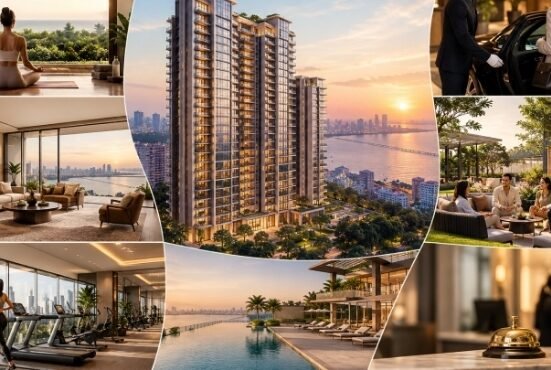
Traditionally, urban homes in India have followed a familiar blueprint—mid to high-rise residential buildings offering multiple 2, 3, or even 4 BHK apartments, thoughtfully designed to accommodate families for generations. While this model has served well for decades, it is increasingly being challenged by rapid urbanisation. According to World Bank projections, India’s cities are expected to house nearly 600 million people by 2036, placing unprecedented pressure on space, resources, and infrastructure.
As urban density increases, the traditional approach to residential construction is becoming economically, environmentally, and structurally unsustainable. Limited land availability, rising labour and material costs, and heightened environmental concerns are reshaping how homes are planned and built. At the same time, conventional buildings—both residential and commercial—offer limited resilience against climate-related challenges such as extreme heat and seismic activity.
Adding to this complexity is the evolving urban demographic. As cities become more culturally diverse and lifestyles more dynamic, homeowners increasingly seek living spaces that are not only functional but also aesthetically distinctive and reflective of their individuality. These expectations are set to intensify as future generations demand smarter, greener, and more personalised homes.
A Shift in Construction Thinking
These converging trends are driving a fundamental transformation within India’s construction ecosystem, particularly in the building materials segment. Industry leaders are recognising that conventional materials like bricks and cement no longer need to dominate modern construction. Instead, innovative, lightweight, and environmentally responsible alternatives are gaining prominence.
One of the most notable examples of this shift is the growing adoption of gypsum false ceilings, which are rapidly becoming a preferred choice for homeowners seeking a contemporary, efficient, and refined interior finish.
Why Ceilings Are Now Central to Home Design
Gypsum ceilings—commonly referred to as false ceilings, plasterboard ceilings, or drop ceilings—have evolved far beyond their decorative origins. Today, they play a critical role in enhancing a home’s comfort, functionality, and overall living experience.
Constructed using a gypsum core enclosed and bonded within high-strength paper liners, and supported by a lightweight metal framework, these ceiling systems are durable, versatile, and ideally suited for residential applications. Compared to traditional RCC or POP finishes, gypsum ceilings offer a superior balance of structural performance, design flexibility, and ease of installation—making them an intelligent choice for modern homes.
Practical Advantages for Faster, Smarter Construction
One of the key strengths of gypsum false ceilings lies in their efficiency. Being lightweight and easy to install, they significantly reduce labour intensity and construction timelines. As a dry construction system, they minimise on-site mess, reduce dependency on water, and help avoid delays—an important advantage for both new construction and renovation projects.
From a design perspective, gypsum ceilings unlock extensive creative possibilities. Their adaptability allows for layered designs, curves, textures, and integrated lighting solutions, enabling homeowners to move beyond conventional layouts and personalise their living spaces with ease.
Comfort, Safety, and Sustainable Living
Beyond aesthetics and efficiency, gypsum false ceilings contribute meaningfully to indoor comfort and safety. They enhance thermal performance by reducing heat transfer, improving energy efficiency, and optimising air-conditioning usage—resulting in more comfortable interiors, particularly in India’s extreme climate conditions.
Their lightweight construction also makes them especially suitable for high-rise buildings and earthquake-prone regions. With plasterboards securely fixed to metal frameworks, the risk of structural damage and harm to occupants is significantly reduced compared to heavier traditional ceiling systems.
From a sustainability standpoint, gypsum is produced through energy-efficient processes and is recyclable, making it a responsible choice for environmentally conscious homeowners who do not wish to compromise on design or performance.
Looking Ahead
As homes across India become smarter, greener, and more future-ready, modern ceiling systems are emerging as an integral element of residential design rather than a finishing afterthought. With their versatility, affordability, safety, and sustainability credentials, gypsum false ceilings are steadily redefining how Indian homes are built and experienced.
In the journey towards smart construction and smarter living, modern ceilings are no longer just overhead surfaces—they are becoming the backbone of contemporary residential spaces.