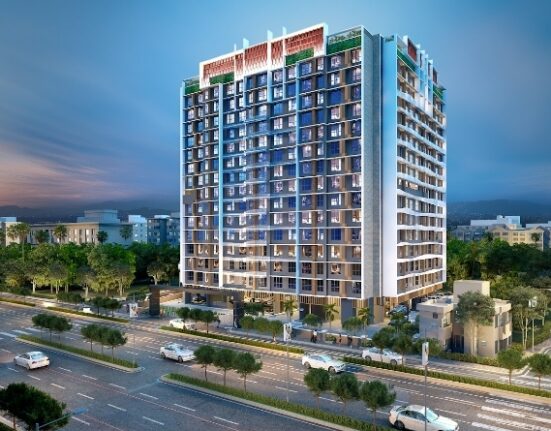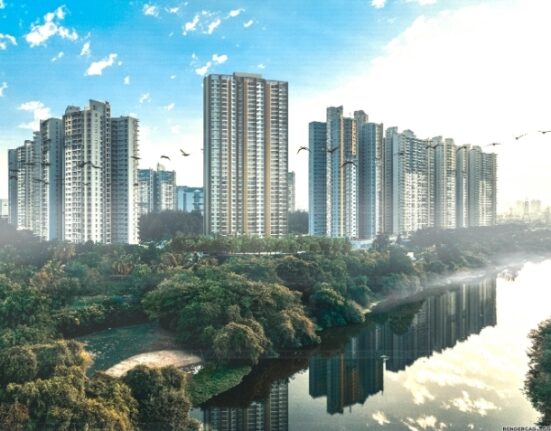

In recent years, Karnal’s swift growth has enhanced its appeal as a city that offers a well-rounded lifestyle. The rise of luxury villas and premium apartment developments is set to further strengthen the city’s real estate sector. Karnal has traditionally been shaped by independent houses. This housing format suited the city’s slower pace and abundant land for decades. However, with changing lifestyle and urban growth, Karnal’s residential preferences are clearly shifting, with planned communities becoming more and more popular among homeowners. These evolving preferences are now being reflected at the planning level as well, with city authorities recalibrating land use to support more organised residential development.
The District Town and Country Planning Department have prepared Karnal’s Master Plan 2031, allocating over 3,000 hectares for structured residential growth with integrated infrastructure and green spaces, reinforcing the shift toward planned communities rather than ad-hoc individual homes. As a result, planned communities are no longer an exception in Karnal’s housing market; they are becoming the preferred development format.
The Rising Appeal of Planned Communities
Planned communities are made to provide the convenience, security and great quality of life that modern homeowners are looking for. With organized layouts, ample green areas, reliable infrastructure and professionally maintained services these projects enhance everyday living while also using land far more efficiently. The outcome is a modern housing environment that balances comfort, sustainability and long-term value without losing the essence of community living.
Security and Maintenance
Security and maintenance have become one of the most decisive factors in residential decision-making which influence long-term investment decisions in residential property.
A well-thought-out interior infrastructure promotes safety and sanitation while ensuring that the community functions properly. Planned communities offer a stronger sense of safety through controlled access, on-site surveillance, and professional facilities management. For senior citizens and families with children, this assurance is often a decisive factor, making gated living a more reliable and attractive long-term choice. Planned communities reduce the day-to-day burden of homeownership by shifting maintenance, utility oversight, repairs, and security to a professional management system. In independent homes, these responsibilities remain entirely with the owner, arranging security personnel, installing surveillance, maintaining gates and boundaries, and managing regular upkeep of the house and its surroundings. This often requires significant time and coordination, which can be difficult for families with demanding work schedules and for senior residents who prefer more predictable, managed living.
Convenience and Accessibility
Convenience is another significant factor driving the appeal of planned communities. Planned communities are strategically located close to schools, hospitals, shopping centers helping residents to save time on daily commutes and staying closely linked to essential services. Amenities like gyms, swimming pools and playgrounds are thoughtfully integrated which allow residents to focus on fitness, relaxation and overall well-being without having to travel far. The convenience not only improves quality of life but also encourages a healthier and more balanced lifestyle for individuals and families alike.
Community and Shared Facilities
Another defining advantage of planned communities lies in how shared spaces are designed, managed, and experienced. Parks, gardens, clubhouses and recreational areas are professionally managed. Consistent maintenance standards are enjoyed by the residents which is often hard to regulate in independent homes. Workshops, cultural programs are often organized in planned community which keeps residents connected with each other, encouraging collaboration and creating a sense of belonging. Residents enjoy their own private space while also being part of a larger, well-managed neighbourhood. For many families this mix of comfort, safety and shared living makes these communities a smart long-term choice.
Sustainability and Eco-Friendly Features
Environmental awareness also plays a key role. Planned communities often include eco-friendly features like solar panels, energy-efficient lighting, wastewater recycling and green landscaping. These measures reduce the ecological footprint and reduce the ongoing costs for residents. Implementing similar features in independent homes can be challenging and costly. Sustainable practices add long-term value. They also make projects more attractive to today’s buyers.
Conclusion
The shift in Karnal from independent homes to planned communities reflects a broader change in what homeowners now prioritise. Buyers are increasingly looking beyond plot size alone and focusing on how a home supports everyday living. As the city continues to expand and attract new residents, this preference is likely to play a defining role in shaping its residential landscape. Planned communities offer a more balanced living environment, combining privacy with safety, convenience, and a sense of community. Increasingly, these features are becoming decisive factors in purchase decisions. Homeownership today extends beyond owning land or a structure; it encompasses quality of life, ease of living, social connection, and long-term sustainability.