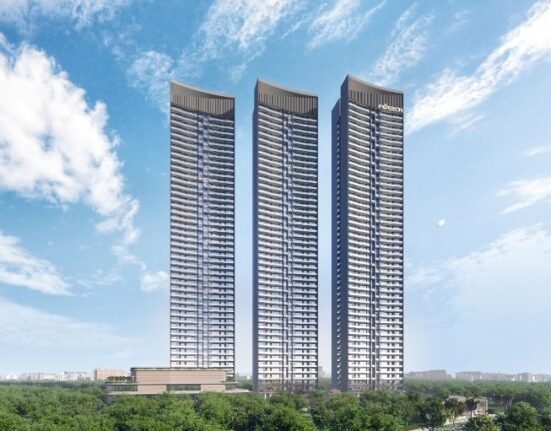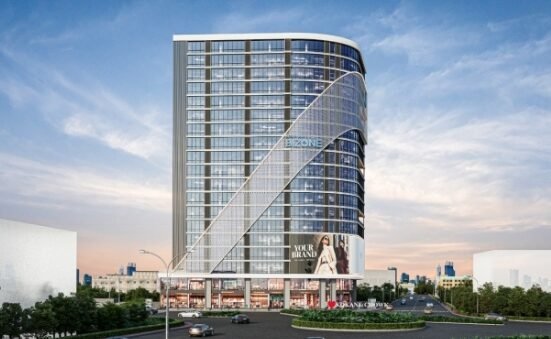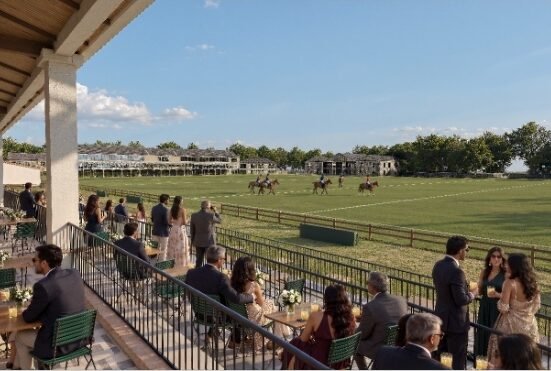

Imagine waking up on a Monday morning, and somehow you not worrying about traffic at all. Your child’s school is just a short walk, like really close. The grocery store is right at the entrance of your community. And the office? a quick metro ride or maybe a 10-minute drive, nothing dramatic. Even on weekends the mall , cinema and restaurants are within reach… you know, without spending half the day navigating those clogged roads
For a growing number of urban Indians, this is no longer just some fantasy. It’s slowly turning into a new way of living. Welcome to integrated developments, where cities aren’t planned around isolated buildings anymore, but more like self sustaining ecosystems
The shift from standalone to integrated
Earlier, urban planning in India adopted a fragmented system, wherein commercial, residential and entertainment spaces were well segregated. Today’s mounting urban congestion, increasing commutes and aspirations for an enhanced lifestyle are giving rise to a desire for places to live, work and socialize all under one roof. Mixed-use developments, unlike gated colonies and freestanding malls, represent a much welcome improvement.
Integrated developments blend residential, commercial, retail, hospitality and open spaces into one connected master-planned community. These aren’t only real estate projects, they’re micro-urban systems that actually support density while keeping everything functionally accessible. When multiple land uses are consolidated into a single integrated project ecosystem, it helps cut down commuting distance, improves transport linkages, and also matches policy goals focused on efficient land use.
The Rise of “Live-Work-Play” Ecosystems
So, the idea behind a “live-work ecosystem” is kind of like this carefully planned urban model where homes and shops just… sit together, in the same connected setup. Instead of going 15 kilometers or more just to reach an office or a mall, people can walk , or just cycle over, get to work fast, find entertainment in a few minutes, and basically depend on on site facilities for the usual stuff day to day.
What used to feel futuristic, later got its spotlight after the post pandemic housing wave in India. Now, both buyers and companies have started talking about the productivity angle , the sustainability side, and that extra sense of community you get when everything feels closer. One person from the industry put it this way: “Buyers no longer want only a flat—they want a lifestyle where work, fun, and convenience are within walking distance, not some far off plan.”
And then there are the mini metro cities—places like Pune, Kochi, Indore, and Ahmedabad—pushing this change ahead. Compared to megacities such as Mumbai and Delhi, these cities aren’t boxed in by the older urban patterns, so they can adopt integrated townships sooner. They are also growing at a rapid pace, and that means they have to use space upward, vertically, to serve the needs of a younger workforce that wants straightforward access, plus connectivity that feels effortless.
Sustainability at the Core
Integrated planning kind a clicks with sustainability, and also with infrastructure efficiency aims. Because energy consumption pressures are getting stronger across city households, building-level efficiency, plus coordinated design, start to matter a lot. Mixed-use projects let people share utilities, optimise energy systems, and tune the environmental design together. They cut transportation emissions via tighter spatial consolidation, and they also make it easier to scale in renewable infrastructure.
On top of that, newer integrated townships bring in more advanced green things like wastewater recycling, use of solar lighting and heating, green areas that work as lung space, and good cross ventilation inside flats to reduce the cooling costs.
The Economics of Integration
When you look at it from an investing standpoint, mixed use models often do better than single use developments. A lot of industry insights seem to point at integrated properties, they can run occupancy numbers that are roughly 30 percent higher than the traditional mono functional assets, mostly because the tenant and user profiles are more diversified. And that diversification… yeah it helps with volatility too—retail leasing risk gets balanced by residential sales, and then hospitality cyclicality is cushioned by that steadier office kind of annuity income.
For regular end users, integrated townships tackle a few big urban headaches. time is one of them, space is another and convenience is the third. Even if these places usually come with a 10–20 per cent premium compared with standalone projects, buyers keep paying anyway, because they’re not just buying square footage, they’re buying a setting that, improves their quality of life in a practical daily sense.
A Future Ready Vision
With the Indian government’s push for smart cities and sustainable urban planning, mixed-use developments are gonna play a pivotal role in how real estate trends will look in the years ahead. The Economic Survey for 2025-26 even suggests mandatory 20-year city plans for all million-plus cities, with a strong emphasis on transport, housing, and land value capture, and it also keeps pushing integrated planning.
So, integrated developments seem set to shape India’s urban future not just as a real estate category or a building style, but more like a long-term city-building tool. As cities keep expanding, these mixed clusters will matter a lot for building urban ecosystems that are actually sustainable and more resilient too. They’re basically showing that growth and livability don’t have to clash anymore, kind of like they can move together.
The takeaway feels pretty straightforward. India’s urban future isn’t about popping up isolated buildings and calling it a day, it’s about shaping living spaces that grow, adjust, and evolve alongside the communities. It’s about creating ecosystems where people don’t only live, they thrive, and they stick around.