
India’s urban future, shaped by migration, economic growth, climate change, new technology and rising expectations, is entering a crucial phase. According to the United Nations’ 2025 urbanisation assessment, 44 percent of India’s population was residing in towns, while 589 million people were living in cities. The World Bank expects India’s urban population to almost double from 480 million in 2020 to 951 million by 2050.
The idea of a futuristic “smart city” has often been associated with command centres, sensors and data. While these tools can certainly make urban administration more efficient, their success must be judged by the number of problems solved. A digital traffic system is useful if it reduces journey times. A water-monitoring system matters if it reduces leakage and improves reliability. Digital service delivery has value only when residents can actually use it.
The issue of sustainability is critical, as studies show that urban heat islands can raise city centre temperatures by more than 3–4 degrees Celsius compared to surrounding areas. Sustainable urbanisation is more than just an environmental impetus but an economic and public-health necessity as well. The city of the future needs to be designed around heat, water and climate resilience.
Technology and green infrastructure by themselves do not automatically create better cities. The future city should give residents a stronger voice. Urban development ultimately succeeds when people can live, work and participate in them. Ultimately, digitalisation must not create a divide between the connected and the not.
Future-ready cities must also be inclusive and ensure that the benefits of development are accessible to all. Affordable housing, accessible public spaces and reliable basic services are essential if cities are to remain places of opportunity rather than exclusion. Cities must also be planned with the needs of elderly residents and people with disabilities in mind, ensuring safe footpaths, accessible public transport, and inclusive public facilities. Technology can support this through digital access to services and platforms for citizen feedback. But participation must go beyond consultation. Residents should play a meaningful role in shaping the neighbourhoods, transport systems and public spaces that determine their daily lives.
One of the indicators of a future-ready city is how easily people can move without depending on private cars. Building more roads or widening alone cannot solve congestion when the number of vehicles continues to rise. Public transport, walking and cycling needs to be accessible and safe. A successful mobility system must connect buses with metro and rail networks to improve last-mile connectivity and make public transport reliable enough for people to choose it voluntarily.
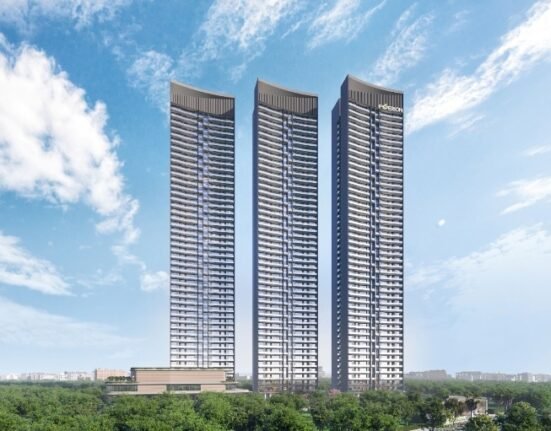
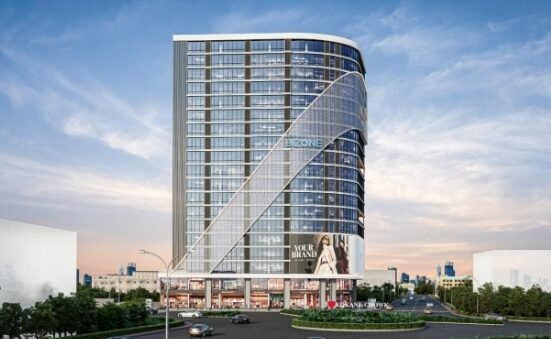
Much of India’s future urban infrastructure has yet to be built. This is both a challenge and an advantage. We have the opportunity to build neighbourhoods around public transport, protect natural drainage, integrate green spaces and use technology to deliver measurable public value. Future cities cannot be built simply by constructing roads, flyovers, high-rise buildings and technology solutions for security and service delivery.
India has the scale, talent and policy experience to develop future-ready cities. The impetus now is to move beyond the race for impressive projects and focus on resilient systems, inclusive planning and long-term public value. Ultimately, the smartest city is not defined by the extent of its technology. It is the one that uses technology wisely, grows within ecological limits and remains firmly centred on the people who call it home.