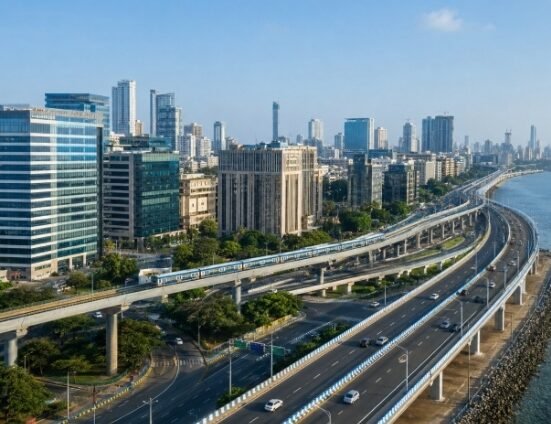
Mumbai, India’s financial hub, is a city of extremes. High-rises stand next to slums showing the city’s deep housing problem. As Mumbai grows redevelopment projects shape its property scene. But do these efforts solve the city’s increasing need for homes?
The Need to Redevelop
Mumbai faces a housing crisis, with about 42% of its people living in slums. This makes finding good housing solutions a must. These slums show more than just poor infrastructure; they pose problems for city planning, cleanliness, and growth that lasts. To redevelop means to build new homes, make life better for people, and use land in the best way possible.
Redevelopment Explained
Redevelopment means rebuilding old run-down buildings in places like South Mumbai where many ancient structures need fixing. This process lets builders update infrastructure to provide better facilities and make buildings safer.
Redevelopment has several main advantages:
• More homes without using up new land
• Better infrastructure with improved sanitation, water supply, and public services
• Higher property values and a nicer-looking city overall
• New life for business and living areas helping the economy grow but there are problems too.
Things like slow approvals legal fights, and pushback from current tenants often make redevelopment tricky. Also, paying for these projects can get complicated. It needs good teamwork between the government and private builders.
Challenges in Redevelopment
has some big perks but there are a number of hurdles to hurdle too:
• Regulatory Block: need approvals from multiple agencies which generally results in bottlenecks Law enforcement pipeline can go a long way to shorten project timelines.
• Resident Resistance: Lots of tenants are nervous about moving and probably won’t want to sign an updated lease. You absolutely need the right communication and fair compensation.
• Infrastructure Pressure Points: As Mumbai gets hit by more and new developments it is expected that the roads, sewage/ water supply etc (which are already stressed) will need a face-lift to cater growing demand.
• Developer Liability: Trust in redevelopment projects rely heavily on the developers complying their due diligence obligations and build out as warranted while meeting quality / schedule.
Public-Private Partnerships (PPP)
Role PPPs (Public-Private Partnerships) can be instrumental in helping drive rush redevelopment projects. Using incentives from the government and efficiency of the private sector, housing solutions can be a fast track from Mumbai but affordable and quality housing. Good PPPs do the following decrease financial risks and improve project bankability
• Focusing on fresh & innovative urban planning and smart cities innovations
• Facilitate transparency and stakeholder coordination
The Road Ahead: Finding that Sweet Spot
Redevelopment to be a panacea for solving Mumbai’s housing woes, means looking at it from a broader perspective:
• Navigate the labyrinth of regulatory frameworks to make approvals less onerous and bureaucratic bottlenecks a thing of the past.
• Support green building materials and energy-efficient design trends in the building industry
• Mixed Use to mix it all up: residential/commercial/recreational, one consolidated urban space.
• Build quality control measures so you can improve the living conditions and still from a future structural problem.
• Rooftop or final block REOPS to complement ownership-oriented re-development for Mumbai’s migrant workforce that needs affordable rentals.
Conclusion
Reel development is the key to urban restructuring of MUMBAI, it requires more speed and less transparency in the way that is put in practice. Through an integrated approach such as that, Mumbai can progress towards a future wherein affordable housing is available and not only an unattainable privilege but also guaranteed and equal for all citizens. Government intervention, Private Sector participation and community involvement are crucial for sustainable urban development that meets the aspiration lives for ever growing population.