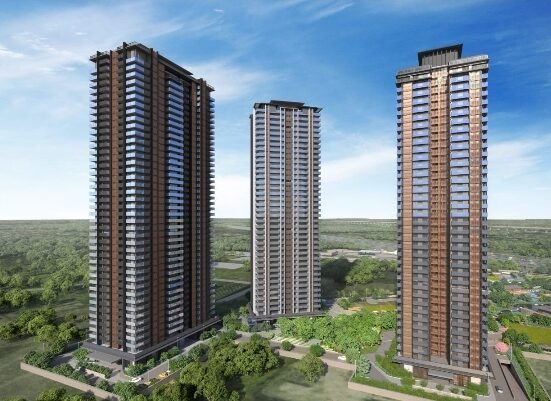

In recent years, luxury housing has become an inseparable part of the pan-India residential real estate market. If any city exemplifies this better than it is Gurugram. What makes the city’s evolution different is that it has always maintained its high-end appeal. Taking cue from the latest numbers, in Q2 2026, despite its relatively higher-priced residences, Gurugram accounted for 43% of housing sales across Delhi-NCR, while capital values rose 10% year-on-year, according to JLL.
The reasons are visible in changing homebuyer expectations. India’s growing base of affluent households, entrepreneurs and senior professionals is looking beyond the basic requirements of a home. Larger living spaces matter, but so do privacy, design, natural light and the quality of the surrounding environment. Wellness facilities, landscaped areas and thoughtfully planned amenities at par with global norms have emerged as indispensable to residential projects.
PropEquity’s recently released numbers for calendar year 2025 offers a closer look at the luxury segment in Gurugram. The city recorded approximately 7,430 launches priced above Rs. 5 crores, compared with around 5,710 in Mumbai.
The latest figures show that luxury housing continues to command substantial value across NCR. CRE Matrix reported that the region recorded sales worth Rs. 41,440 crore across 4,401 homes priced above Rs. 5 crore in the first half of 2026, making it the largest market among the major cities tracked. For real estate developers, the noteworthy takeaway is the scale of this demand and the changing perception of value for money by today’s buyers.
The change is also visible in the product itself. Luxury projects increasingly bring together larger configurations, carefully planned layouts, security, amenities and a greater emphasis on privacy including branded residences. NCR had approximately 4,165 branded residences across 12 projects, according to PropEquity. The emphasis is moving towards projects where these elements work together to create a distinct living experience.
For developers, this calls for a different approach from the outset. Land selection, density, apartment sizes, open spaces and amenities have to be considered as parts of the same plan. The economics of a luxury project depend on how well these decisions translate into a product that buyers recognise as distinctive.
Infrastructure and connectivity are also influencing where this growth takes place. New road links, expanding commercial districts and improved access to employment centres are changing the appeal of residential locations across NCR. This is where luxury housing’s growing contribution to market value becomes significant. The opening of new regions, faster connectivity, easy access to places like airports along with India’s economic growth and the rise in the number of affluent households, have all provided a fillip to the luxury residential landscape.
India will continue to need homes across price points, and each segment will have its own growth drivers. Luxury housing, however, is increasingly shaping the standards of design, development and differentiation across the industry. The ability to identify the right location and bring together space, privacy, thoughtful planning and quality of life will increasingly determine how residential developers create value over the long term.